About Thyroid
Thyroid nodules and cancer
Thyroid nodules are lumps that can form within the thyroid gland. While most nodules are benign, some can be cancerous and require further investigation and treatment.
Thyroid cancer, though relatively rare, can be a serious condition necessitating surgery, radiation, or other treatments. Symptoms often include a lump or swelling in the neck (most common sign), hoarseness or voice changes that don’t go away, difficulty swallowing or breathing, persistent throat or pain in the front of your neck.
Staff having radio-iodine treatment will have to isolate in hospital for a few days immediately after treatment, and at home to avoid close contact with children and pregnant women for 2–3 weeks. Return to work may be delayed, as advised by their hospital team.
Post thyroid treatment, it is important to remember that the staff member will need time to adjust to taking life-long medication, without this medication they can experience life-threatening symptoms. Surgical and radioactive iodine treatments for thyroid nodules and cancer can lead to hypothyroidism.
Thyroiditis
Likely caused by a viral infection, leading to an enlarged, painful thyroid, flu-like symptoms, and temporary hyperthyroidism, sometimes followed by hypothyroidism. Diagnosis is through a physical exam and blood tests. Treatment may include anti-inflammatory medications or steroids in severe cases, though mild cases often resolve without intervention. Recovery typically occurs within a few months, with rare cases requiring levothyroxine for permanent hypothyroidism.
A condition where the thyroid gland becomes inflamed, usually occurring within 6–12 months of childbirth and may initially present itself as postpartum depression. It causes a swollen but non-painful thyroid, with an initial phase of hyperthyroidism sometimes followed by hypothyroidism. Diagnosis is confirmed through examination and blood tests. Beta blockers may be used for hyperthyroid symptoms, while levothyroxine is prescribed if hypothyroidism develops. Most cases resolve within months, though 10–20% may require long-term treatment. Recurrence is common in future pregnancies, so thyroid function should be monitored.
Triggered by medications such as amiodarone, lithium, and certain cancer and immune therapies. Diagnosis is made through clinical examination and blood tests. In many cases, it resolves without treatment, but steroid therapy may be necessary for drug-induced thyroid inflammation.
 NHS information pages
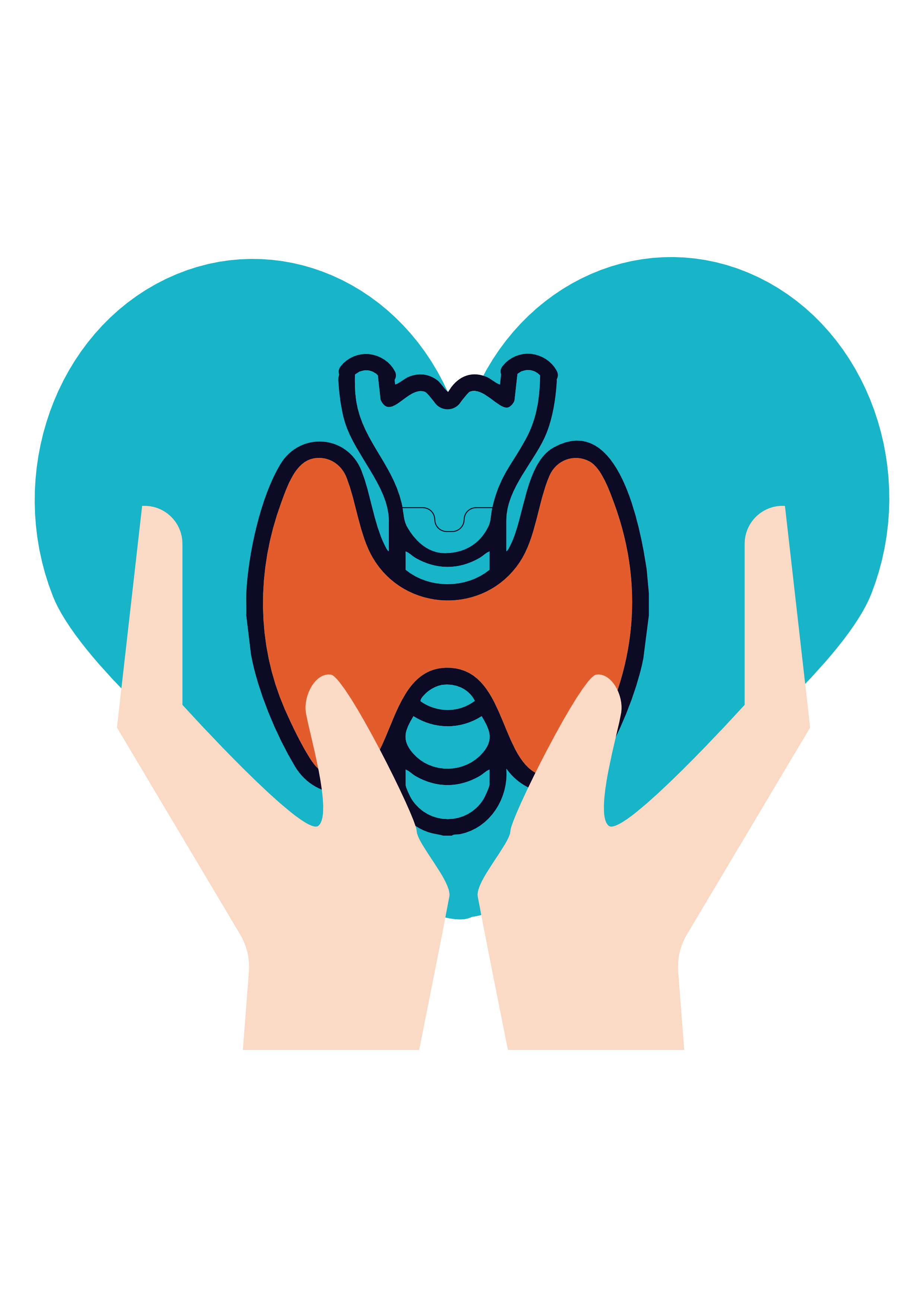 Thyroid related charities and support groups
 Workplace support